Marketing in Punta Cana and the Dominican Republic
Most marketing advice you find online was written for a market that isn't this one. It assumes a customer who searches in English, pays in dollars through a card, and compares five suppliers before deciding. In Punta Cana, a hotel manager asks a colleague, a real estate developer sells to a foreign buyer while paying local staff in pesos, and half of the first contact happens on WhatsApp.
That gap is why the articles here start with numbers instead of principles. What an agency charges in the Dominican Republic, what falls inside a retainer and what doesn't, when a freelancer is the right call and when it stops being one. Prices are given in both currencies, because the answer changes depending on whether you invoice in pesos or dollars.
The second thread is hotels and hospitality, which is the sector that moves the most money here and the one where generic advice fails hardest. Occupancy is seasonal, the booking decision happens months ahead and in another country, and the audience is split across at least two languages. A content calendar copied from a Miami agency will not survive contact with low season.
None of this is a shortcut. Marketing in a market this size is slow, and the businesses that do well are the ones that pick two channels and stay with them for a year. What these articles try to do is stop you from spending the first six months finding that out the expensive way.
If you're starting from zero, the order that tends to work here is narrower than it looks: get the Google Business Profile right, pick one channel where your customers already are, and only then think about paid. Most of the businesses that come to us having wasted a budget did it by running ads to a site that wasn't ready, or by spreading a small budget across five platforms because each one looked cheap on its own.
6 articles in this topic

How to Choose the Best Marketing Agency in Punta Cana
A practical guide to choosing the right marketing agency in Punta Cana. What to ask, what to avoid, and how to find the best partner for your business.
Social Media Strategy for Hotels in 2026: A Practical Guide
A hands-on social media playbook for hotels and resorts. Instagram Reels, TikTok, UGC campaigns, seasonal content calendars and more, built for the Caribbean hospitality market.
![Best Digital Marketing Agencies in the Caribbean [2026]](/_next/image?url=%2Fblog%2Fbest-marketing-agencies-caribbean-en.webp&w=3840&q=75)
Best Digital Marketing Agencies in the Caribbean [2026]
Ranking of the best digital marketing agencies in the Caribbean. We analyze services, specialties, and why the Caribbean is a unique market for marketing.
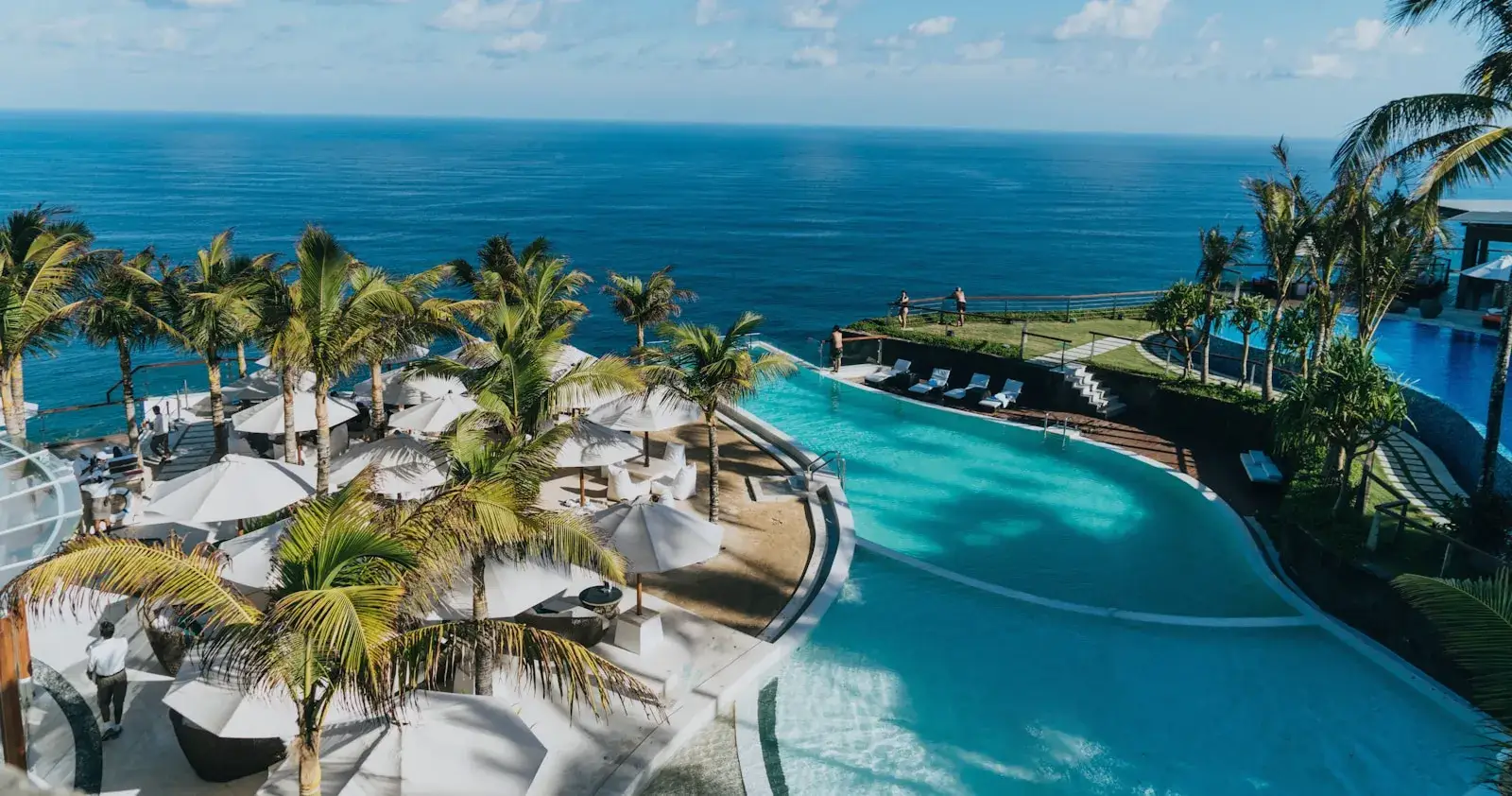
Digital Marketing for Hotels in Punta Cana: Complete Guide 2026
Proven digital marketing strategies for hotels, resorts and tourism businesses in Punta Cana. SEO, social media, Google Ads and more.

How Much Does It Cost to Hire a Marketing Agency in the Dominican Republic?
Discover real pricing for digital marketing agencies in DR in 2026. We compare costs by service, freelancer vs agency, and what to expect for your investment.

Digital marketing in Punta Cana: how to make your Caribbean business stand out in 2026
Digital competition in Punta Cana is growing. Discover the strategies that work for tourism, real estate, and service businesses in the DR.
Other topics
If you'd rather talk it through than read about it, that's usually faster.
Get in touch →